
Longkou vermicelli stands as a premium ingredient in Chinese cuisine, renowned for its delicate texture, translucent appearance, and remarkable ability to absorb flavors. Made from high-quality mung bean starch, these glass noodles originate from the Longkou region of China’s Shandong province, where traditional production methods have been perfected over centuries. Whether you’re planning to create a savory stir-fry, a comforting soup, or a refreshing cold salad, mastering the preparation of Longkou vermicelli will elevate your Asian cooking to restaurant quality.
In this comprehensive guide, we’ll walk through every step of cooking these distinctive noodles, from proper soaking techniques to cooking methods that preserve their perfect texture. You’ll discover why this premium variety differs from standard glass noodles and how to avoid common mistakes that lead to disappointing results.
Understanding Longkou Vermicelli: What Makes It Special
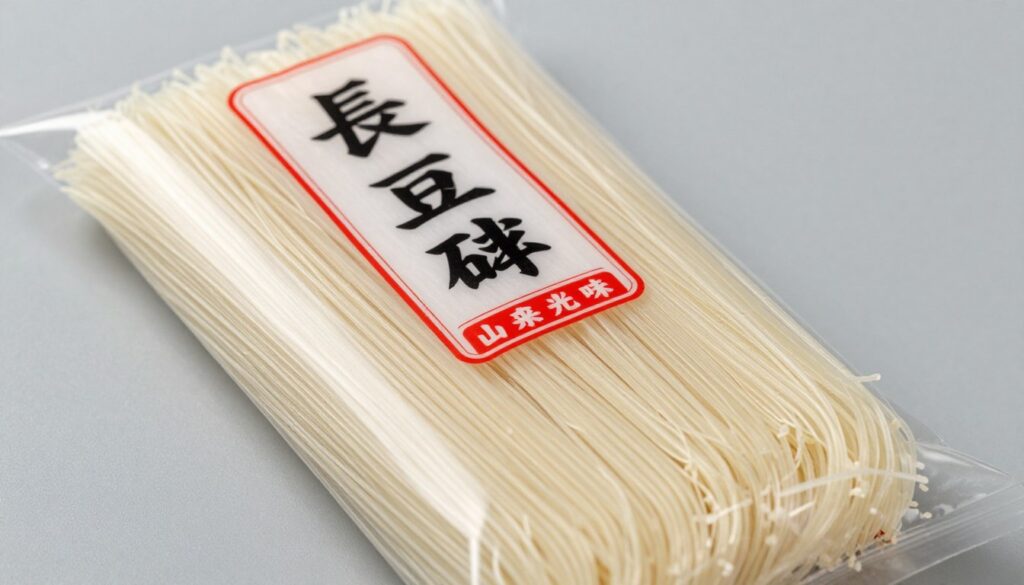
Authentic Longkou vermicelli in its traditional packaging
Longkou vermicelli is distinguished by its exceptional quality and unique characteristics that set it apart from other types of glass noodles. These premium noodles are crafted from 100% mung bean starch, giving them superior elasticity, clarity, and a satisfying chewy texture when properly prepared.
Unlike regular bean thread noodles, authentic Longkou vermicelli undergoes a meticulous production process that includes multiple stages of natural drying. This traditional method results in noodles that maintain their structure during cooking while absorbing the flavors of accompanying ingredients.
The noodles appear as thin, brittle strands when dry but transform dramatically once prepared. Their neutral flavor profile makes them incredibly versatile, adapting well to both bold and subtle seasonings in Chinese, Korean, Vietnamese, and fusion cuisines.
Essential Preparation: The Critical Soaking Step
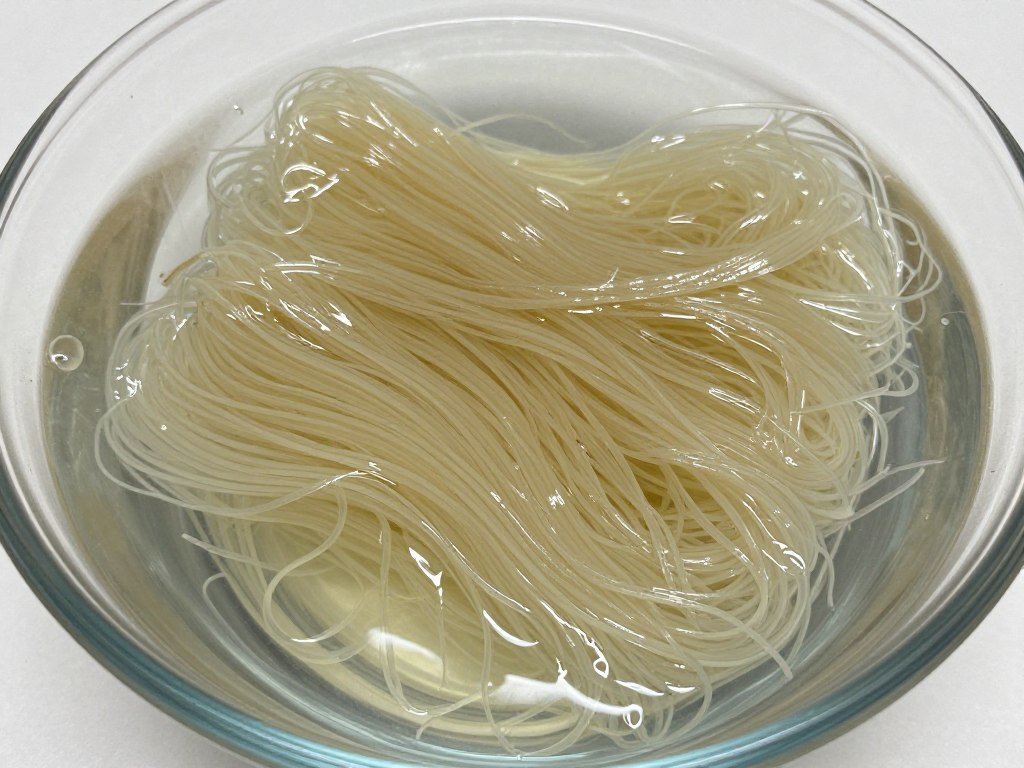
Proper soaking is essential for achieving the perfect texture
The single most important step in preparing Longkou vermicelli is proper soaking. This critical preparation stage cannot be skipped or rushed, as it fundamentally determines the final texture of your noodles.
Why Soaking Is Non-Negotiable
Soaking rehydrates the dried noodles gradually, allowing them to soften evenly from the outside in. Without adequate soaking, the noodles will have an unpleasant hard core when cooked, resulting in an inconsistent texture that ruins the dish.
Soaking Methods and Times
- For warm water (recommended): Submerge the noodles completely in warm (not hot) water for 15-20 minutes until they become pliable but still slightly firm.
- For room temperature water: Soak for 25-30 minutes, checking occasionally for the right flexibility.
- Test for readiness: The noodles should be bendable without breaking but not completely soft.
Proper Draining Technique
After soaking, thorough draining is essential to prevent excess water from diluting your dish’s flavors. Place the soaked noodles in a colander and gently shake to remove excess water. For stir-fries, you may want to pat them lightly with paper towels for even better results.
Master Perfect Vermicelli Every Time
Download our printable guide with exact soaking times, temperature recommendations, and troubleshooting tips for flawless Longkou vermicelli preparation.
Three Essential Cooking Methods for Longkou Vermicelli
Once properly soaked and drained, Longkou vermicelli can be prepared using three primary cooking methods, each yielding different textures and suited to different dishes.
1. Stir-Frying Method
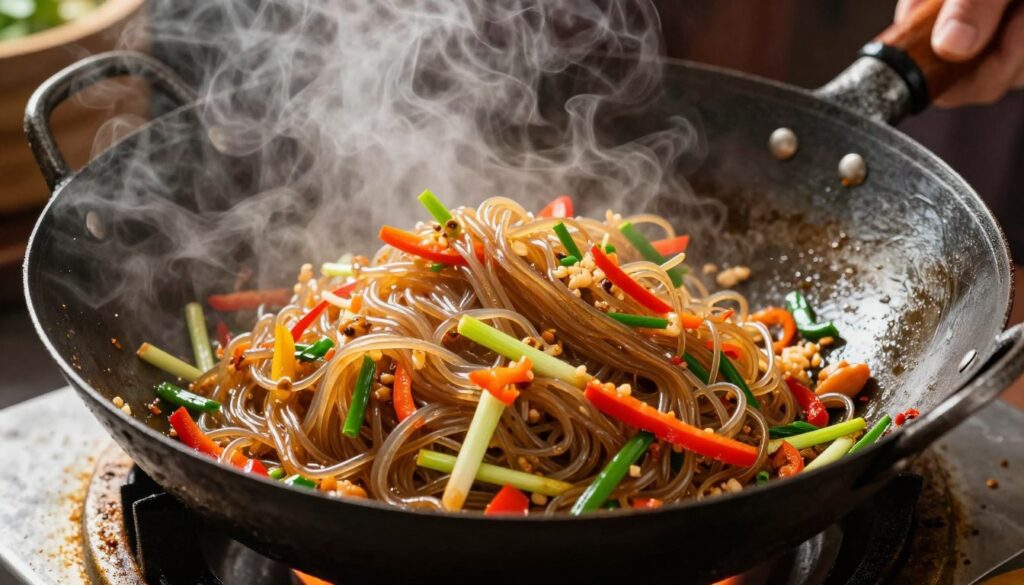
Stir-frying creates a flavorful dish with slightly chewy texture
Stir-frying pre-soaked Longkou vermicelli creates a delicious dish with slightly chewy noodles that have absorbed the flavors of your sauce and ingredients. This method is perfect for classic dishes like “Ants Climbing a Tree” (ma yi shang shu) or simple vegetable stir-fries.
Step-by-Step Stir-Frying Process:
- Heat a well-seasoned wok or large skillet over high heat until it just begins to smoke.
- Add 2 tablespoons of vegetable oil and swirl to coat the cooking surface.
- Add aromatics like minced garlic, ginger, and green onion, stir-frying for 30 seconds until fragrant.
- Add protein (if using) and cook until nearly done.
- Add vegetables and stir-fry for 1-2 minutes.
- Add the pre-soaked, drained vermicelli to the wok.
- Pour in 2-3 tablespoons of sauce and a splash of broth or water to help the noodles absorb flavor.
- Toss continuously for 2-3 minutes until the noodles are heated through and have absorbed the sauce.
For best results, keep the noodles moving constantly and maintain high heat throughout the cooking process. This prevents sticking and ensures even flavor distribution.
2. Soup and Broth Method
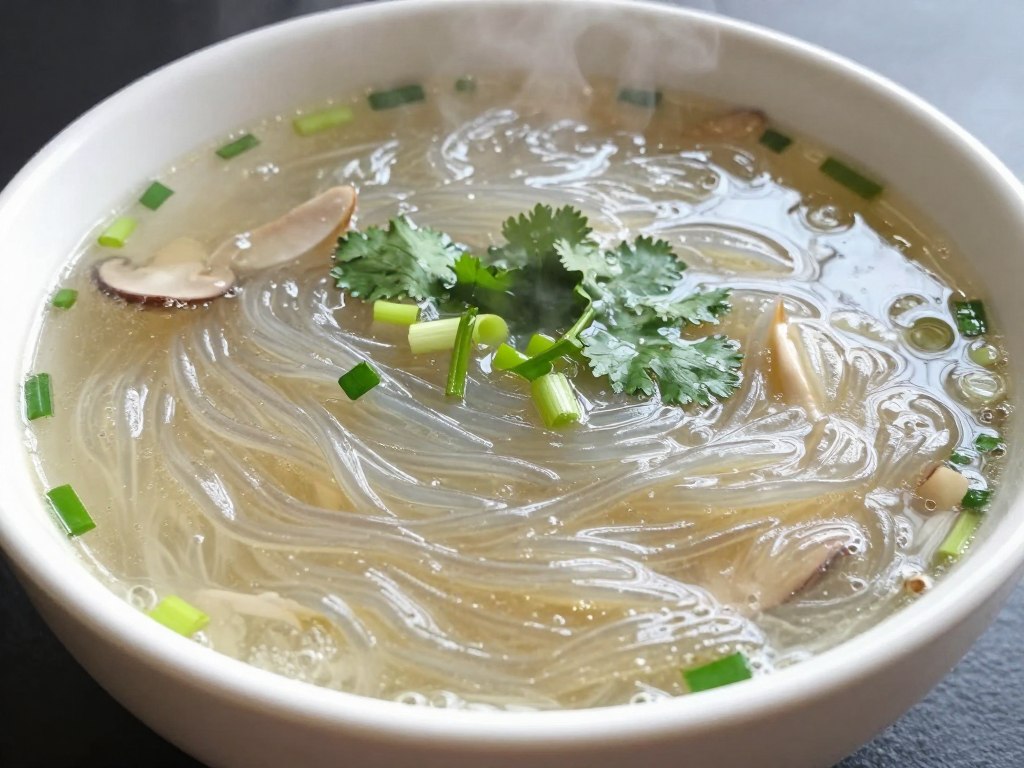
Longkou vermicelli adds wonderful texture to soups and broths
Adding Longkou vermicelli to soups creates a satisfying texture contrast and allows the noodles to absorb the rich flavors of your broth. This method works beautifully in clear soups, hot pots, and noodle bowls.
Perfect Soup Preparation:
- Prepare your soup base completely before adding the noodles.
- Bring the soup to a gentle simmer (not a rolling boil).
- Add the pre-soaked, drained vermicelli to the simmering broth.
- Cook for just 2-3 minutes until the noodles are heated through.
- Serve immediately to prevent the noodles from becoming too soft.
The key to perfect soup noodles is timing—add them too early, and they’ll become mushy; too late, and they won’t fully integrate with the soup’s flavors.
3. Cold Salad Method
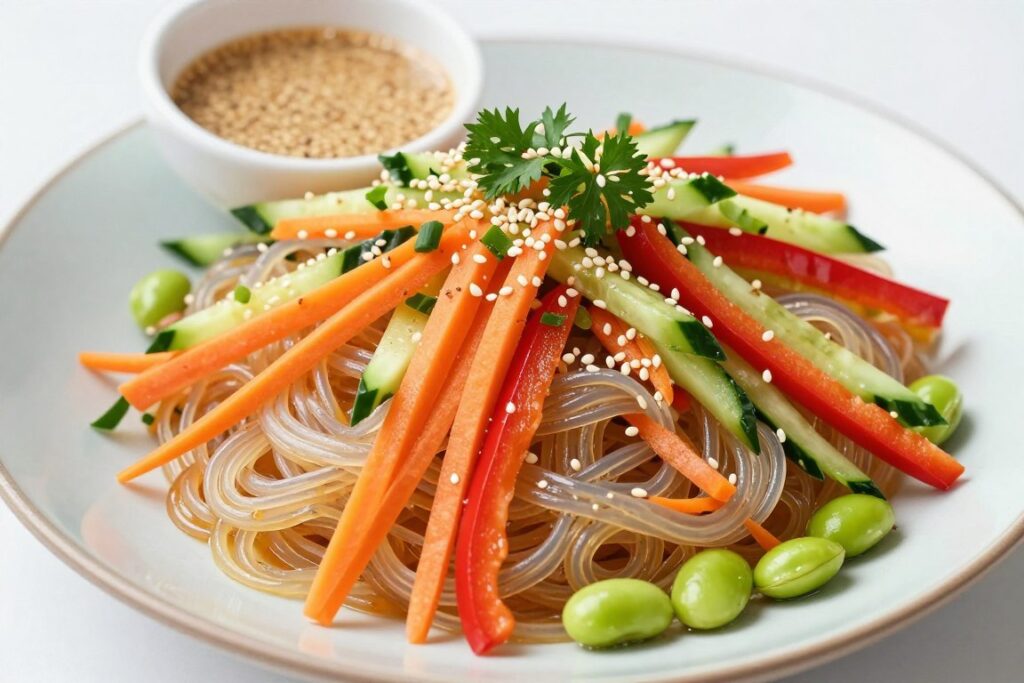
Cold vermicelli salads are perfect for warm weather meals
Cold Longkou vermicelli salads offer a refreshing alternative that’s perfect for warm weather. The noodles provide a wonderful chewy texture that contrasts beautifully with crisp vegetables and tangy dressings.
Cold Salad Preparation Technique:
- After soaking, bring a pot of water to a rolling boil.
- Add the soaked vermicelli and cook for just 1-2 minutes.
- Immediately drain and rinse under cold running water to stop the cooking process.
- Continue rinsing until the noodles are completely cooled.
- Drain thoroughly, then toss with a small amount of sesame oil to prevent sticking.
- Combine with your choice of vegetables, proteins, and dressing.
- Chill for at least 30 minutes before serving to allow flavors to meld.
The brief boiling followed by cold rinsing gives the noodles the perfect springy texture that makes cold vermicelli salads so appealing.
Try Our Favorite Longkou Vermicelli Recipe
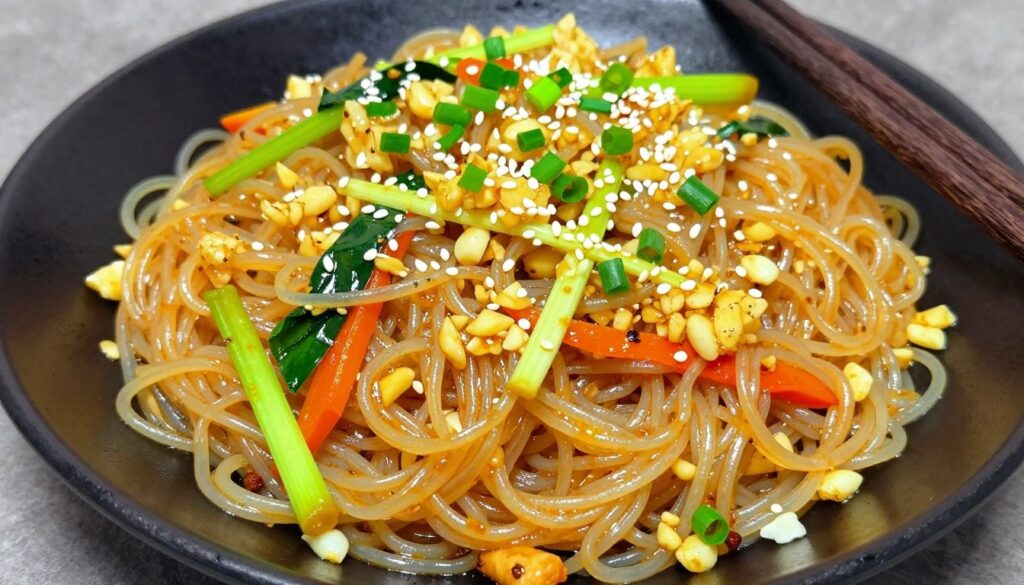
This simple stir-fry combines the perfect texture of properly prepared Longkou vermicelli with savory sauce and fresh vegetables for an authentic Chinese dish you can make in just 20 minutes.
Perfect Flavor Pairings for Longkou Vermicelli
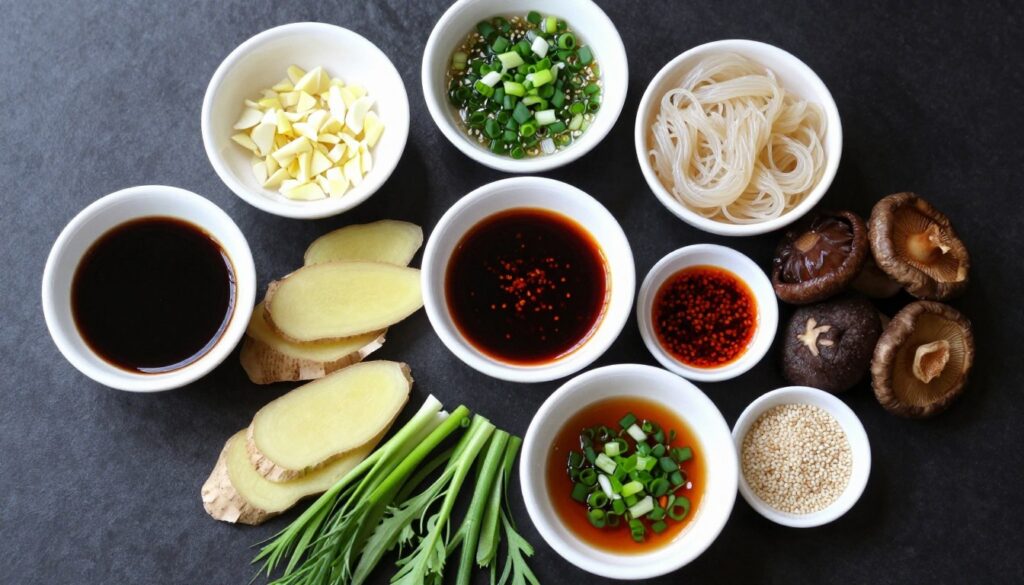
Classic ingredients that complement the neutral flavor of Longkou vermicelli
Longkou vermicelli’s neutral flavor profile makes it an excellent canvas for a wide range of seasonings and ingredients. Understanding classic flavor combinations will help you create balanced, delicious dishes every time.
Essential Sauce Components
A well-balanced sauce is key to flavorful vermicelli dishes. Consider this versatile stir-fry sauce ratio as your starting point:
| Ingredient | Proportion | Function |
| Soy sauce | 2 tablespoons | Provides savory base flavor and color |
| Oyster sauce | 1 tablespoon | Adds richness and umami depth |
| Sesame oil | 1 teaspoon | Contributes aromatic nutty notes |
| Sugar or honey | 1 teaspoon | Balances saltiness and enhances caramelization |
| Chili oil/sauce (optional) | ½-1 teaspoon | Adds heat and complexity |
| Cornstarch slurry | 1 teaspoon cornstarch + 1 tablespoon water | Creates glossy texture that clings to noodles |
Complementary Ingredients
Aromatics
- Garlic (minced or thinly sliced)
- Ginger (fresh, grated or julienned)
- Green onion (both white and green parts)
- Dried chili peppers
- Star anise (for soups)
Proteins
- Ground pork (traditional for many dishes)
- Shrimp (pairs beautifully with vermicelli)
- Thinly sliced beef or chicken
- Tofu (firm or soft, depending on dish)
- Eggs (scrambled or as ribbons in soup)
Vegetables
- Wood ear mushrooms (traditional pairing)
- Shiitake mushrooms (fresh or rehydrated dried)
- Napa cabbage (for soups and stir-fries)
- Bell peppers (for color and crunch)
- Bean sprouts (add at the very end)
- Carrots (julienned for color and sweetness)
Garnishes
- Cilantro (fresh leaves)
- Toasted sesame seeds
- Crushed peanuts
- Thinly sliced green onion
- Fresh lime wedges (for cold dishes)
- Crispy fried shallots
Common Mistakes to Avoid When Cooking Longkou Vermicelli
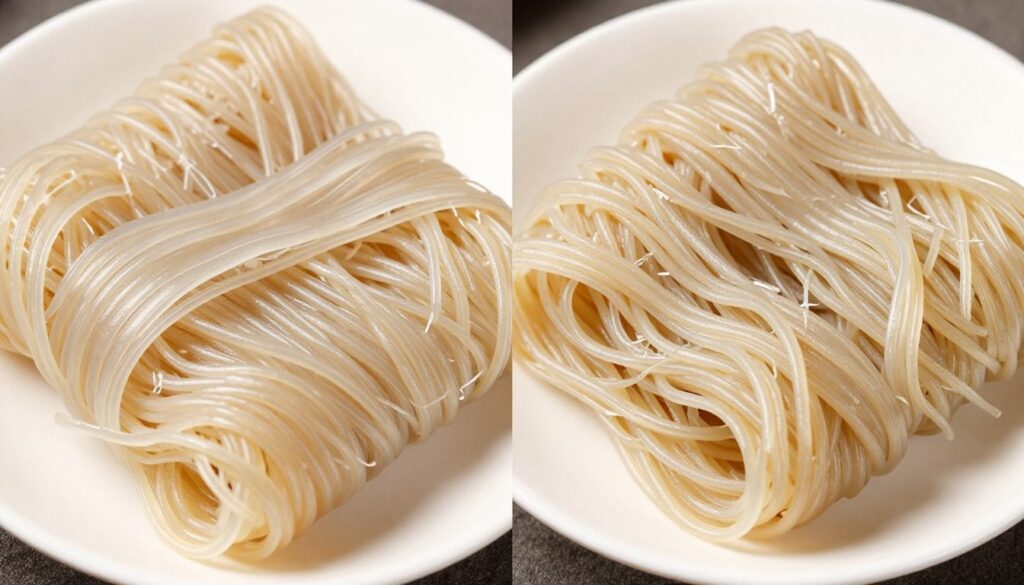
Left: Properly prepared vermicelli. Right: Common preparation mistakes
Best Practices
- Soak noodles completely before cooking
- Drain thoroughly after soaking
- Cook briefly after soaking (1-3 minutes)
- Keep noodles moving when stir-frying
- Add a splash of liquid when stir-frying
- Season adequately with balanced flavors
Common Mistakes
- Skipping the soaking step entirely
- Soaking for too little time (hard core)
- Soaking for too long (mushy texture)
- Overcooking after soaking
- Using too little oil when stir-frying
- Under-seasoning (bland results)
Troubleshooting Guide
| Problem | Likely Cause | Solution |
| Noodles have hard centers | Insufficient soaking time | Soak longer until noodles are flexible throughout |
| Noodles break easily | Oversoaking or old product | Reduce soaking time or purchase fresher vermicelli |
| Noodles clump together | Insufficient oil or movement during cooking | Use more oil and keep noodles moving constantly |
| Mushy texture | Overcooked after soaking | Reduce cooking time after soaking |
| Bland flavor | Insufficient seasoning or sauce | Increase sauce amount or enhance with aromatics |
Frequently Asked Questions About Longkou Vermicelli
What’s the difference between Longkou vermicelli and other glass noodles?
Longkou vermicelli is a premium variety of glass noodles specifically produced in the Longkou region of China’s Shandong province. They’re made from 100% mung bean starch and undergo a traditional production process that results in superior elasticity, clarity, and texture compared to standard glass noodles. The authentic Longkou production method includes multiple stages of natural drying, giving them better structural integrity during cooking.
Can I skip the soaking step if I’m short on time?
No, soaking cannot be skipped when preparing Longkou vermicelli. Without proper soaking, the noodles will have hard, uncooked centers even after boiling or stir-frying. If you’re short on time, you can use warmer water (not hot) to reduce soaking time to about 15 minutes, but this step is absolutely essential for proper texture.
How do I store leftover cooked Longkou vermicelli?
Cooked Longkou vermicelli can be stored in an airtight container in the refrigerator for up to 3 days. To prevent the noodles from sticking together, toss them with a small amount of sesame oil before refrigerating. When reheating, add a splash of water or broth and heat gently to restore moisture and prevent drying out.
Are Longkou vermicelli gluten-free?
Yes, authentic Longkou vermicelli is naturally gluten-free as it’s made from 100% mung bean starch. However, always check packaging for cross-contamination warnings if you have celiac disease or severe gluten sensitivity. Also be mindful that many sauces commonly used with these noodles (like soy sauce) contain gluten unless specifically labeled gluten-free.
How long do dry Longkou vermicelli noodles last?
Unopened packages of dry Longkou vermicelli can last 2-3 years when stored in a cool, dry place. Once opened, transfer unused noodles to an airtight container and use within 6-12 months for best quality. The noodles don’t technically spoil, but they may become more brittle and prone to breaking with extended storage.
Mastering the Art of Longkou Vermicelli
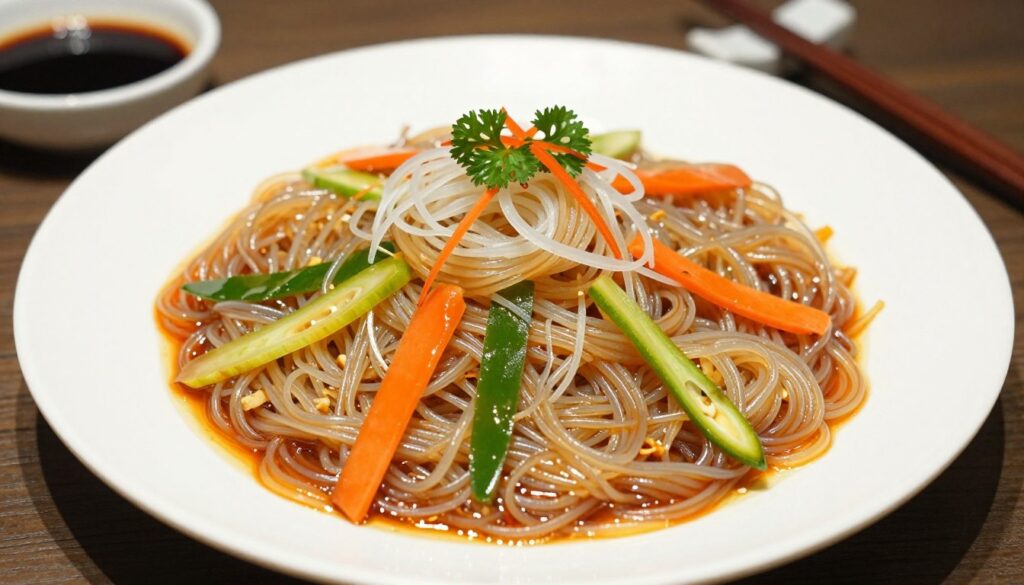
With proper technique, you can create restaurant-quality Longkou vermicelli dishes at home
The journey to mastering Longkou vermicelli begins with understanding the fundamental importance of proper soaking. This critical first step, followed by appropriate cooking techniques for your specific dish, will transform these humble dried noodles into a versatile culinary canvas for countless delicious creations.
Remember that the hallmark of perfectly prepared Longkou vermicelli is its translucent appearance and pleasantly chewy texture that absorbs the flavors of your carefully crafted sauce. By avoiding common pitfalls and following the guidelines in this guide, you’ll achieve consistent, restaurant-quality results that will impress family and friends.
We encourage you to experiment with different flavor combinations while respecting the basic preparation principles. From traditional Chinese classics to innovative fusion creations, Longkou vermicelli offers endless possibilities for culinary exploration.
Ready to Become a Vermicelli Master?
Download our complete collection of premium Longkou vermicelli recipes, including traditional Chinese favorites and modern interpretations that showcase this versatile ingredient.