
Longkou vermicelli, also known as bean thread, glass, or cellophane noodles, are a culinary treasure in Asian cuisine. These delicate, translucent noodles are primarily made from mung bean starch, giving them their distinctive glass-like appearance when cooked. Whether you’re preparing a warming soup, refreshing salad, or savory stir-fry, mastering the art of cooking these versatile noodles will open up a world of culinary possibilities. This guide will walk you through everything you need to know to prepare perfect Longkou vermicelli every time.
Dry Longkou vermicelli transforms into translucent “glass noodles” when properly prepared
What Are Longkou Vermicelli?
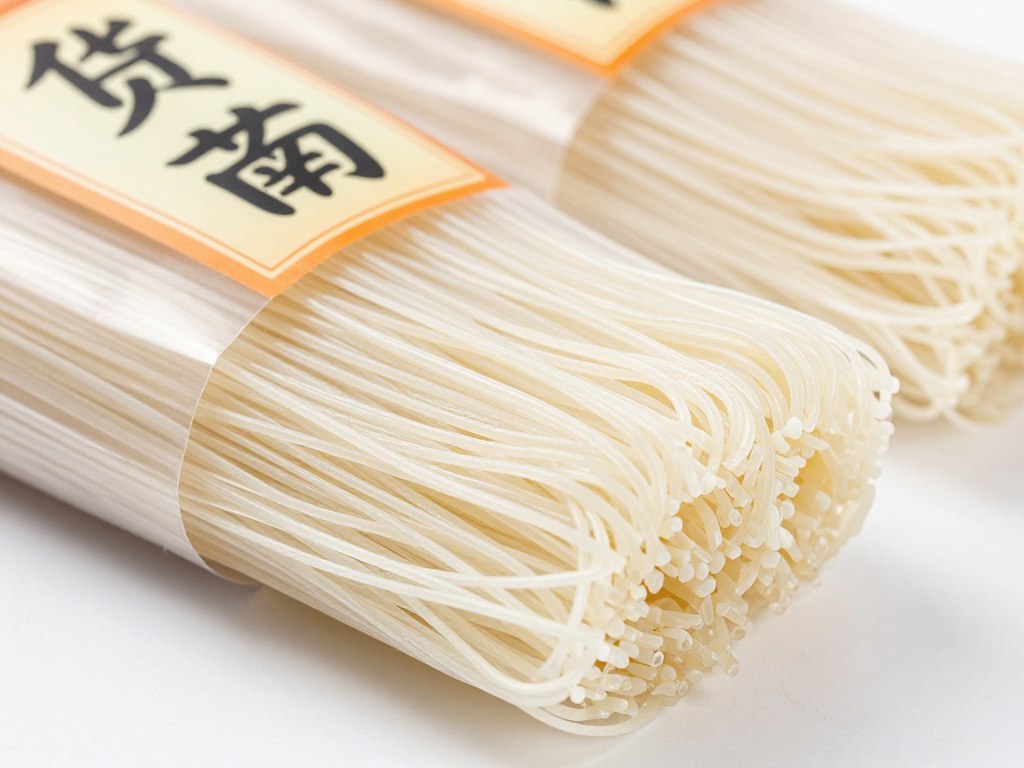
Longkou vermicelli gets its name from the Longkou region in China’s Shandong province, renowned for producing high-quality bean thread noodles. Unlike wheat-based pasta or rice noodles, these thin, thread-like noodles are made primarily from mung bean starch, sometimes with additional pea starch. This composition gives them their signature qualities:
- Translucent appearance when cooked
- Slippery, slightly chewy texture
- Neutral flavor that absorbs surrounding seasonings
- Gluten-free composition (ideal for those with wheat sensitivities)
- Low fat content and light digestibility
These noodles are a staple in many Asian cuisines, appearing in Chinese, Korean, Vietnamese, and Thai dishes. Their versatility makes them perfect for soups, stir-fries, salads, and spring rolls.
Preparation Essentials: The Critical Soaking Step
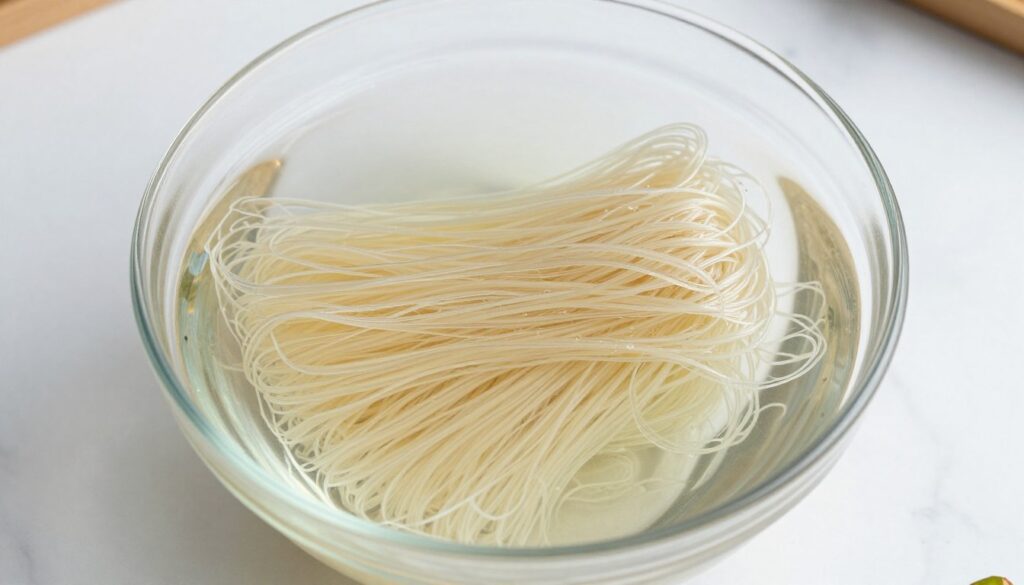
Proper soaking is crucial for achieving the perfect texture
The most crucial step in preparing Longkou vermicelli is the initial soaking process. Unlike many other noodles, these should never be cooked from their dry state. Here’s how to properly prepare them:
- Place the dry noodles in a large bowl – Give them plenty of space as they will expand considerably.
- Add room temperature or warm water – Completely submerge the noodles (cold water works too but takes longer).
- Soak until pliable – This typically takes 10-15 minutes in warm water or 20-30 minutes in cold water.
- Check for readiness – The noodles should be flexible and somewhat transparent but still slightly firm.
- Drain thoroughly – Remove excess water before proceeding to the cooking method of your choice.
Important: Never boil dry Longkou vermicelli directly! This will result in unevenly cooked, clumpy noodles with poor texture. The soaking step is non-negotiable for quality results.
You’ll know your noodles are properly soaked when they’ve lost their brittle quality and become flexible enough to bend without breaking. They won’t be fully transparent yet—that happens during the cooking process.
Core Cooking Methods
Once your Longkou vermicelli is properly soaked, you have several cooking options depending on your intended dish. Here are the two most common methods:
Method 1: Boiling/Blanching (For Soups and Salads)
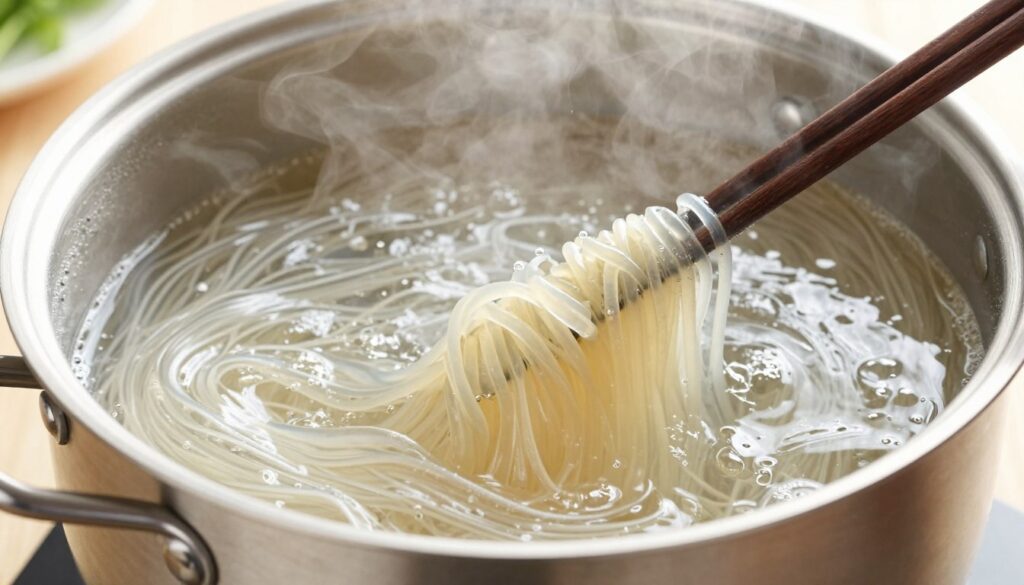
- Bring a pot of water to a rolling boil – Use plenty of water to prevent sticking.
- Add the pre-soaked, drained noodles – Gently separate them as you add them to the water.
- Cook briefly – They only need 1-2 minutes in boiling water.
- Test for doneness – They should be completely transparent and tender but still slightly chewy.
- Drain immediately – Rinse with cold water if using in salads to stop the cooking process.
Tip: For cold dishes, immediately plunge the cooked noodles into ice water after boiling. This stops the cooking process and gives them a pleasantly firm texture.
Method 2: Stir-Frying (For Main Dishes)
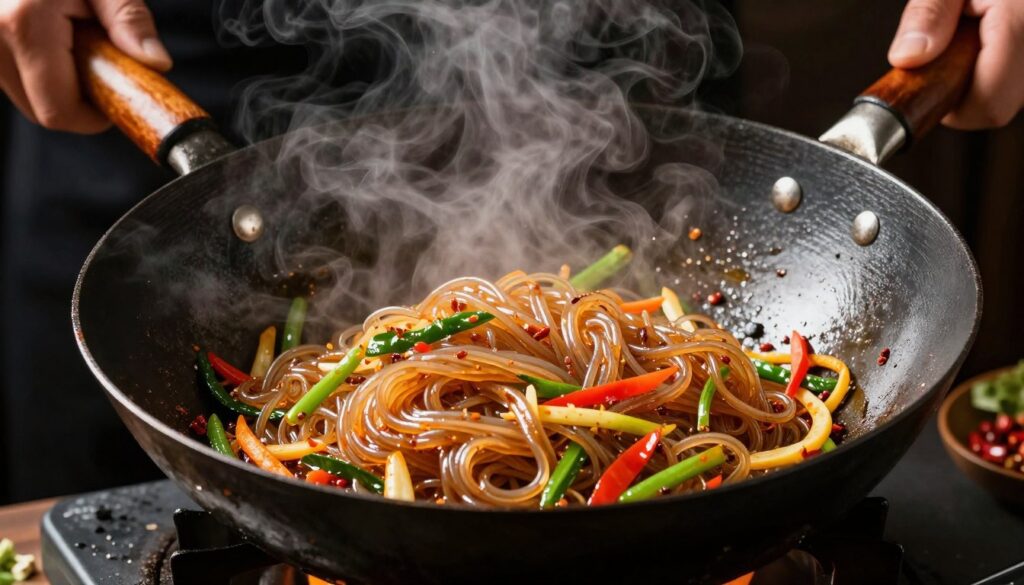
- Prepare your stir-fry ingredients – Have everything ready before adding the noodles.
- Heat your wok or pan – Ensure it’s properly heated before adding ingredients.
- Stir-fry aromatics and main ingredients – Cook meat and vegetables first.
- Add the pre-soaked noodles – They should be well-drained but not completely dry.
- Add sauce and seasonings – The noodles will quickly absorb the flavors.
- Toss continuously – Keep the noodles moving to prevent sticking and ensure even cooking.
- Cook until the noodles are transparent – This usually takes 2-3 minutes.
Caution: Longkou vermicelli cooks very quickly once added to hot liquid or a stir-fry. Watch carefully to avoid overcooking, which can make them mushy and lose their pleasant texture.
Recipe Integration: Classic Dishes
Now that you understand the basic preparation methods, let’s put them into practice with two classic recipes that showcase the versatility of Longkou vermicelli.
Recipe 1: “Ants Climbing a Tree” (Ma Yi Shang Shu)
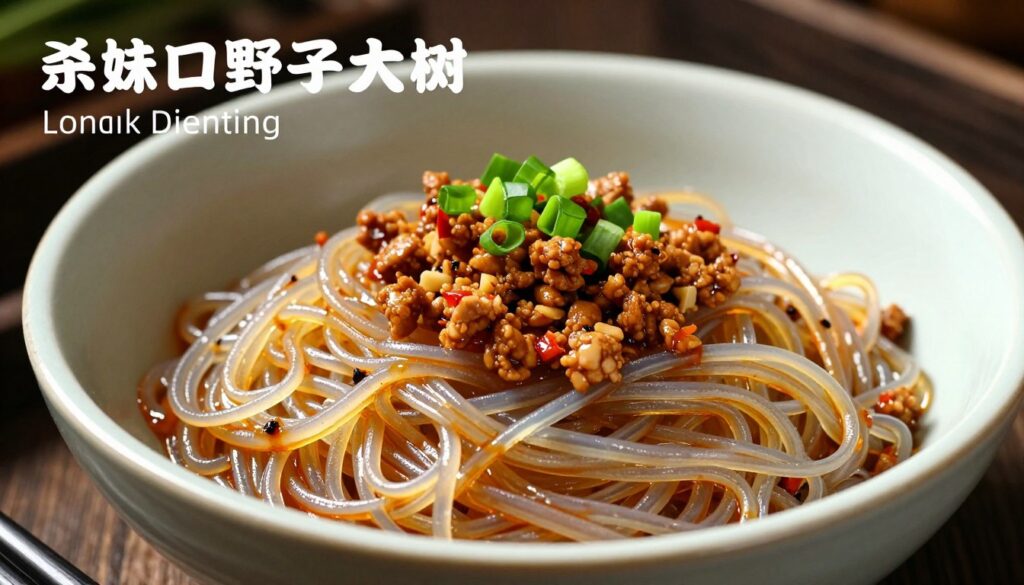
This classic Sichuan dish features spicy ground pork clinging to vermicelli strands
This famous Sichuan dish gets its unique name from the appearance of the small pieces of ground meat clinging to the noodles, resembling ants climbing tree branches.
Ingredients:
- 200g Longkou vermicelli
- 200g ground pork
- 2 tablespoons vegetable oil
- 2 tablespoons doubanjiang (spicy bean paste)
- 2 tablespoons soy sauce
- 1 tablespoon Shaoxing wine
- 1 teaspoon sugar
- 2 cloves garlic, minced
- 1-inch piece ginger, minced
- 2 green onions, chopped
- ½ cup chicken broth
- Optional: chopped cilantro for garnish
Instructions:
- Soak the vermicelli in warm water for 15 minutes, then drain well.
- Heat oil in a wok over medium-high heat. Add garlic, ginger, and white parts of green onions. Stir-fry for 30 seconds until fragrant.
- Add ground pork and cook until browned, breaking it into small pieces.
- Add doubanjiang and stir to combine with the meat.
- Pour in soy sauce, Shaoxing wine, sugar, and chicken broth. Bring to a simmer.
- Add the soaked vermicelli to the wok and toss to coat with the sauce.
- Cover and simmer for 2-3 minutes until the noodles are transparent and have absorbed most of the liquid.
- Garnish with green onion tops and cilantro before serving.
Recipe 2: Refreshing Longkou Vermicelli Salad
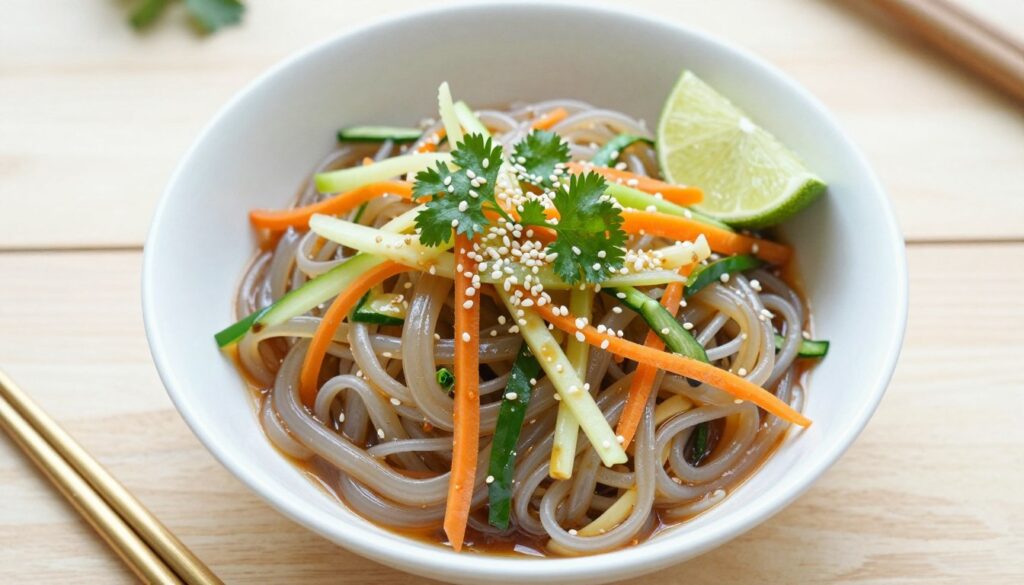
This refreshing cold salad is perfect for warm weather
Ingredients:
- 200g Longkou vermicelli
- 1 cucumber, julienned
- 1 carrot, julienned
- 1 red bell pepper, thinly sliced
- ½ cup fresh herbs (mint, cilantro, Thai basil)
- 2 tablespoons sesame oil
- 2 tablespoons rice vinegar
- 1 tablespoon soy sauce
- 1 tablespoon honey or sugar
- 1 clove garlic, minced
- 1 teaspoon grated ginger
- 1 tablespoon toasted sesame seeds
- Optional: sliced chili for heat
Instructions:
- Soak the vermicelli in warm water for 15 minutes, then drain.
- Bring a pot of water to boil and cook the soaked noodles for 1-2 minutes until transparent.
- Immediately drain and rinse under cold running water to stop the cooking process.
- Plunge into ice water for 1 minute, then drain thoroughly and pat dry.
- Cut the noodles into manageable lengths with kitchen scissors.
- In a large bowl, combine the noodles with cucumber, carrot, bell pepper, and herbs.
- Whisk together sesame oil, rice vinegar, soy sauce, honey, garlic, and ginger to make the dressing.
- Pour the dressing over the salad and toss well to combine.
- Sprinkle with sesame seeds and optional chili before serving.
Tips for Perfect Texture
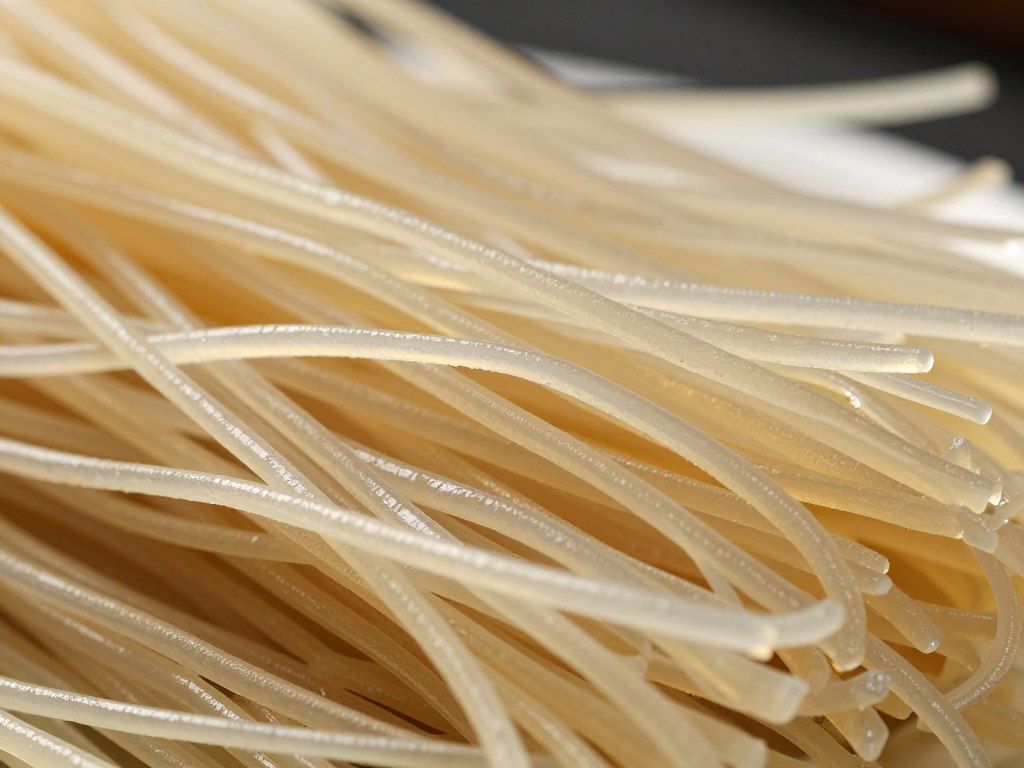
Achieving the perfect texture with Longkou vermicelli can make the difference between an ordinary dish and an exceptional one. Here are key tips to ensure your noodles turn out perfectly every time:
Do’s
- Always soak before cooking
- Use plenty of water when boiling
- Drain thoroughly after cooking
- Rinse with cold water for cold dishes
- Cut long strands for easier eating
- Store leftover cooked noodles in a sealed container with a little oil to prevent sticking
Don’ts
- Don’t skip the soaking step
- Don’t overcook (they become mushy)
- Don’t leave in water too long after cooking
- Don’t stir-fry for too long
- Don’t refrigerate without a little oil
- Don’t reheat multiple times
“The secret to perfect Longkou vermicelli is in the balance—they should be cooked just until transparent but still retain a slight resistance when bitten. This gives them the ideal ‘QQ’ texture that is prized in Asian cuisine.”
Troubleshooting Common Issues
| Problem | Possible Cause | Solution |
| Noodles too mushy | Overcooked or soaked too long | Reduce cooking time; time the soaking precisely |
| Noodles clumping together | Not enough water or stirring during cooking | Use more water; stir occasionally while cooking |
| Noodles still hard in center | Insufficient soaking or cooking time | Soak longer before cooking; increase cooking time slightly |
| Noodles breaking apart | Oversoaking or rough handling | Soak just until pliable; handle gently |
Storage and Versatility
Storing Dry Vermicelli
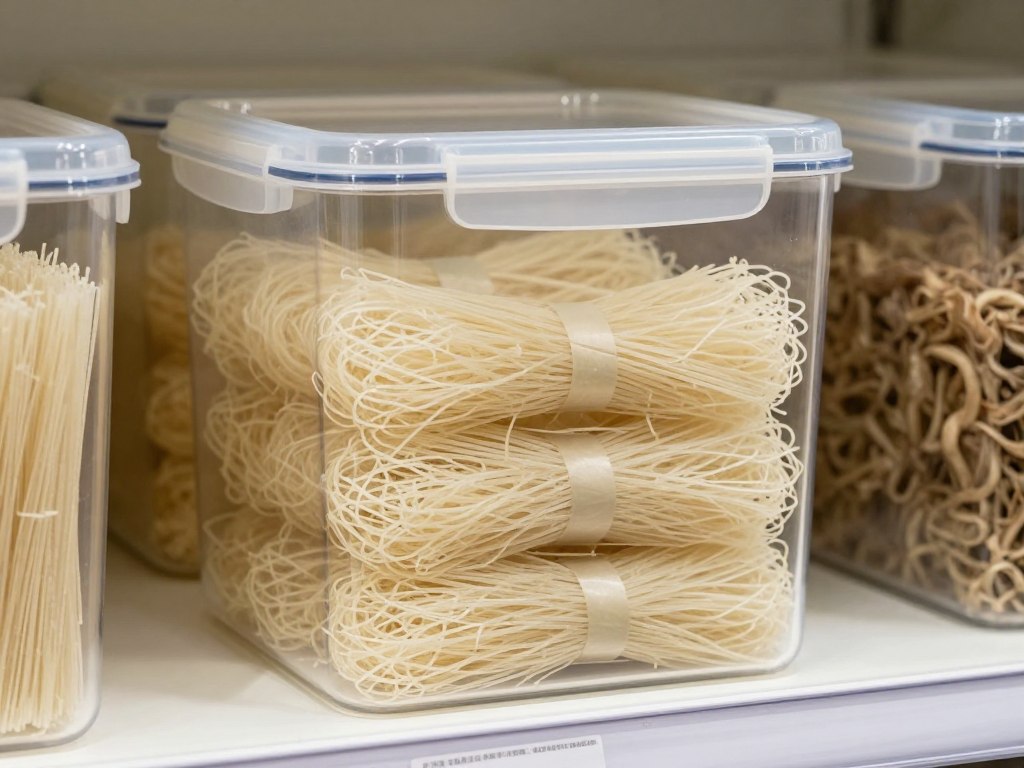
- Store in a cool, dry place
- Keep in original packaging or airtight container
- Protect from humidity
- Can last up to 2 years when properly stored
Storing Cooked Vermicelli
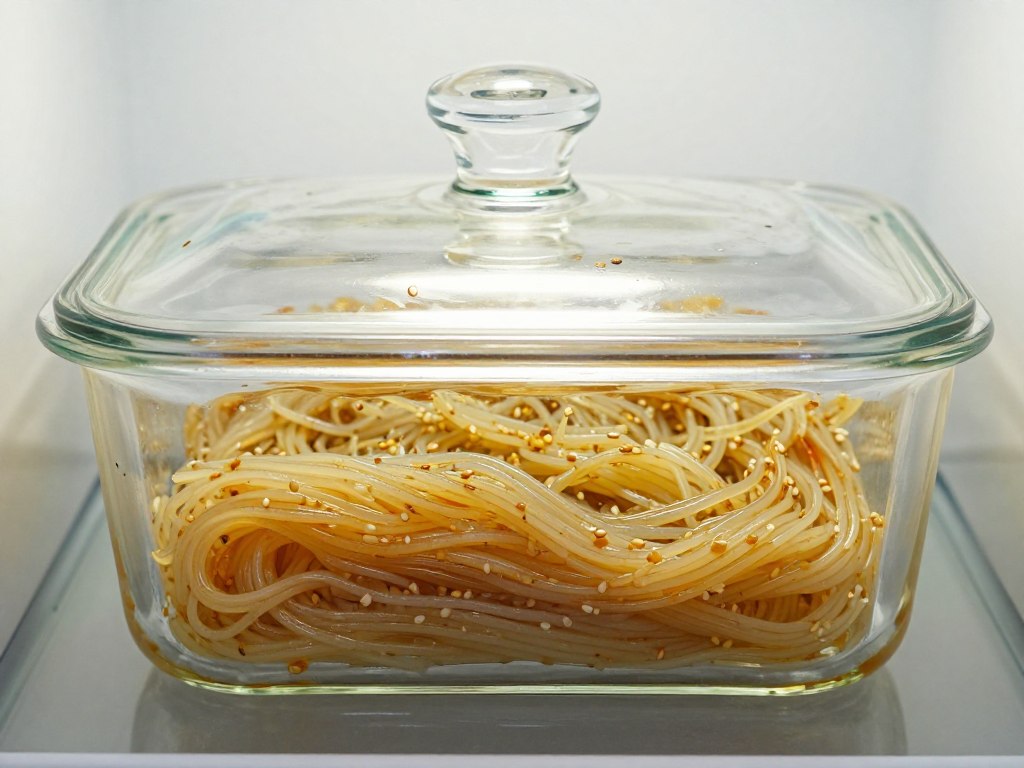
- Refrigerate in airtight container
- Toss with a little oil to prevent sticking
- Consume within 2-3 days
- Reheat by briefly dipping in hot water
Beyond Traditional Recipes
While Longkou vermicelli shines in traditional Asian dishes, don’t be afraid to experiment with fusion cuisine. These versatile noodles can adapt to many culinary traditions:
Mediterranean Fusion
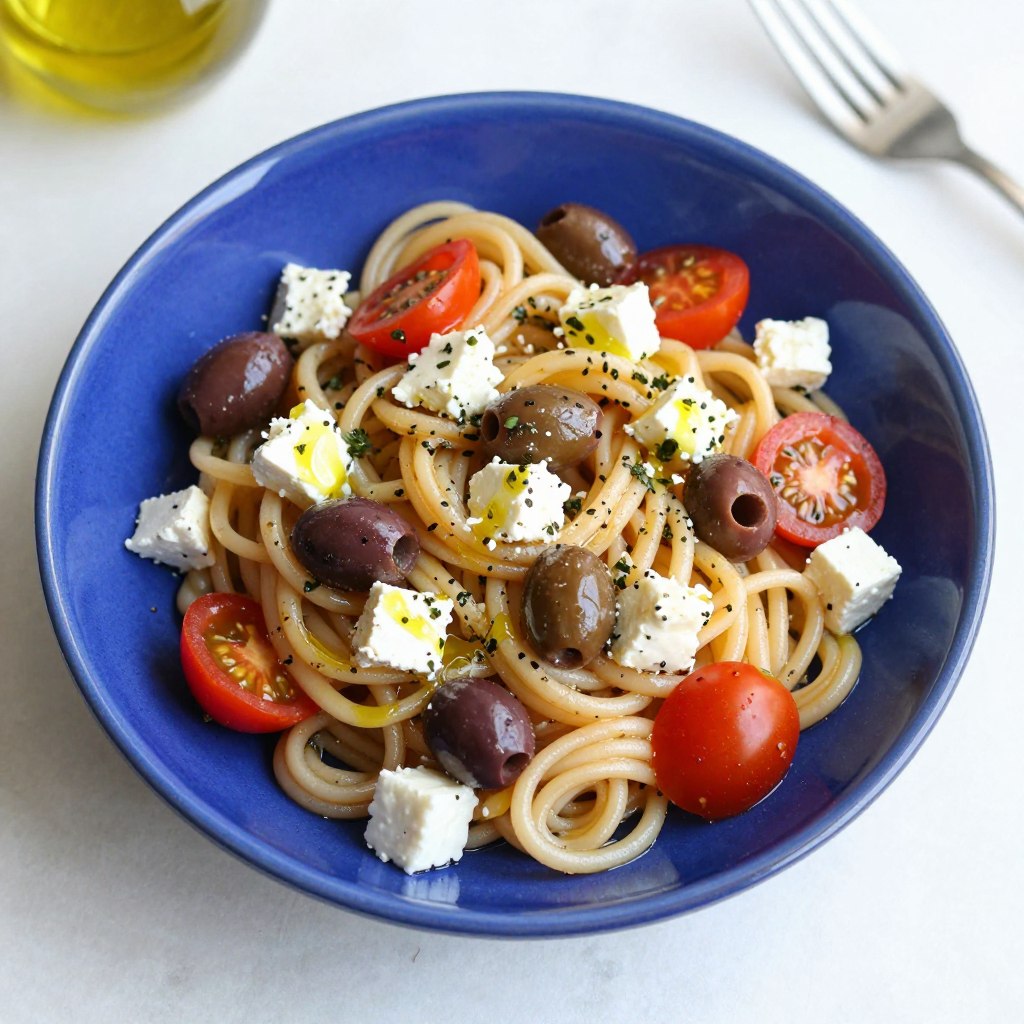
Try vermicelli with olive oil, lemon, feta cheese, and Mediterranean herbs for a refreshing fusion salad.
Mexican Twist
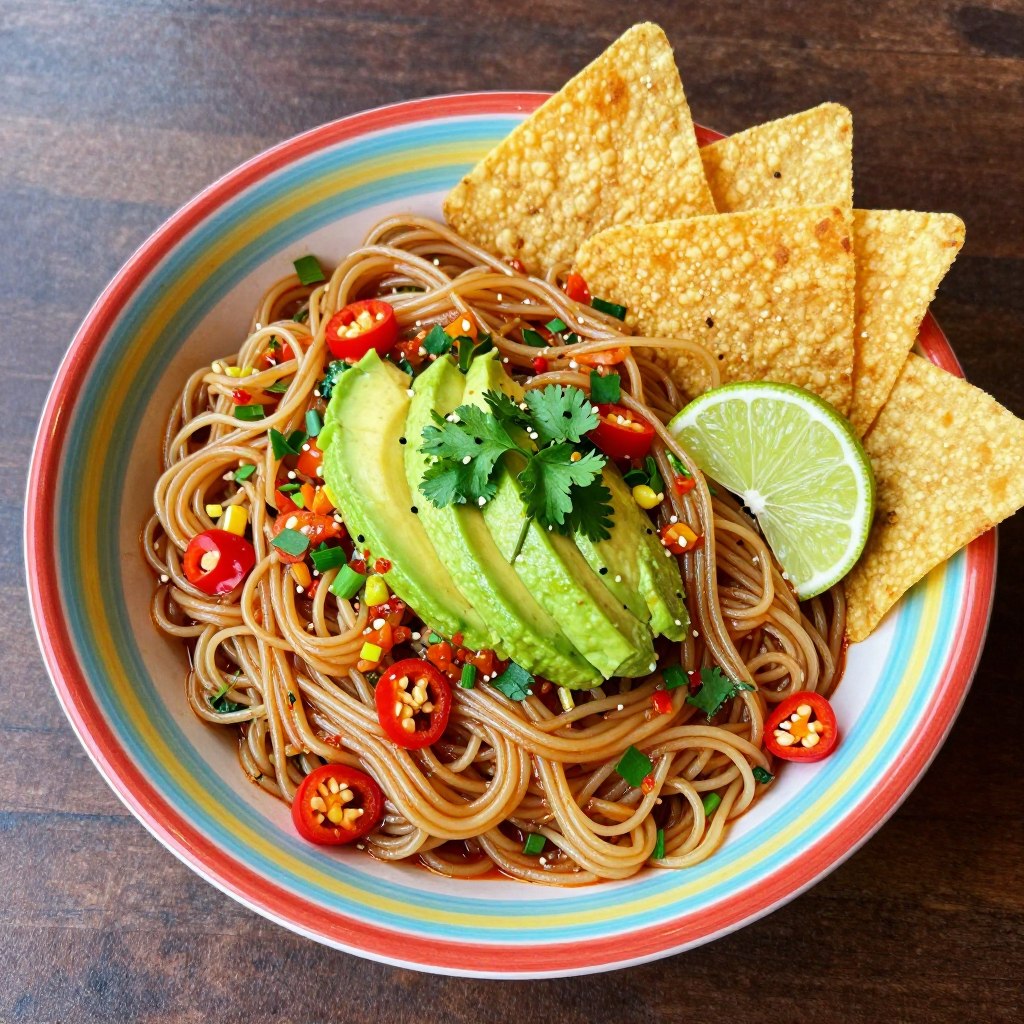
Incorporate avocado, lime, cilantro, and mild chilies for a Mexican-Asian fusion experience.
Modern Dessert
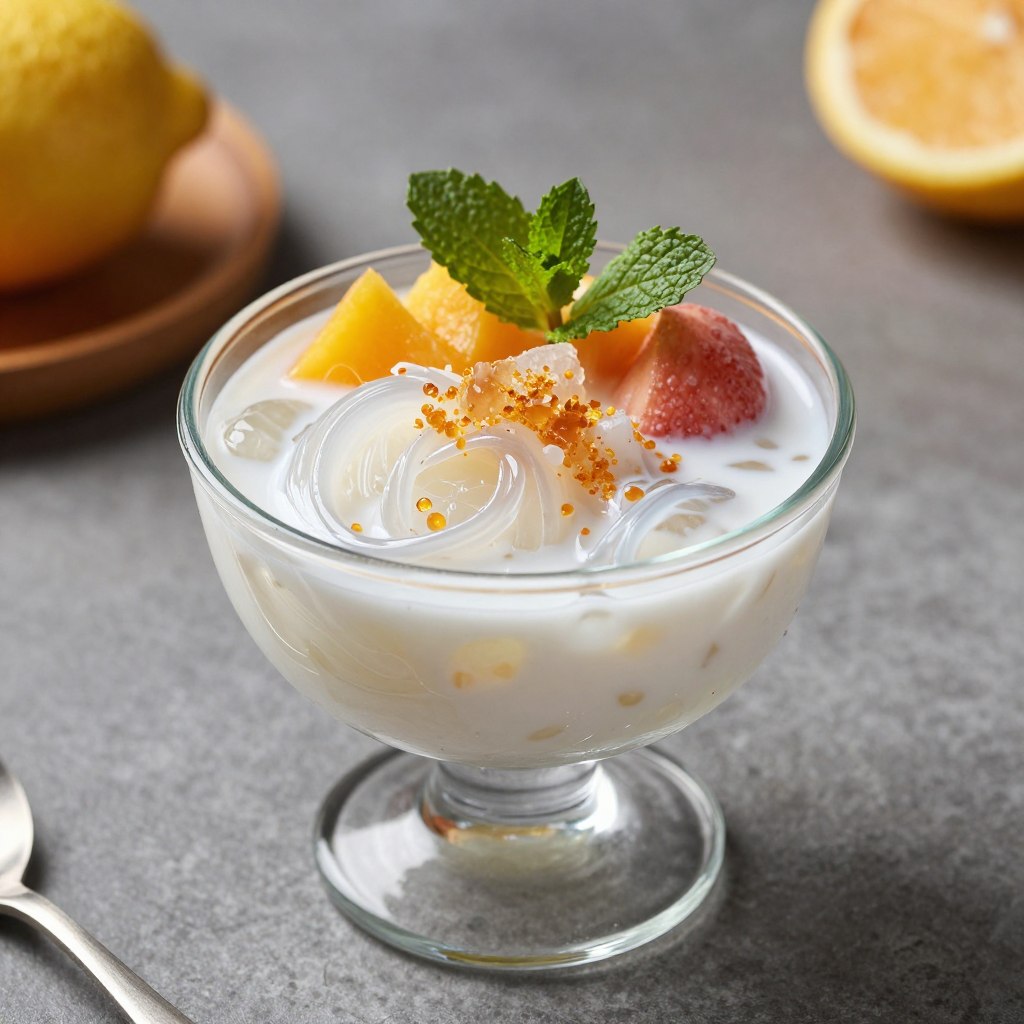
In some Asian traditions, these noodles appear in sweet dishes with coconut milk, fruits, and palm sugar.
Conclusion
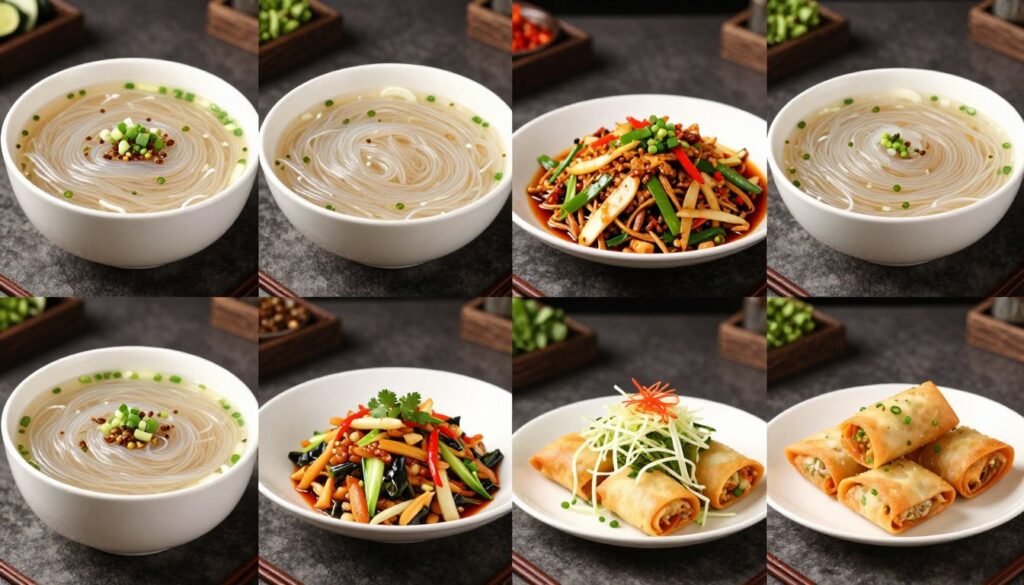
Mastering the art of cooking Longkou vermicelli opens up a world of culinary possibilities. These versatile, gluten-free noodles adapt to countless dishes across many Asian cuisines and beyond. Remember that the key to success lies in proper soaking, brief cooking, and careful handling to maintain their delightful texture.
Whether you’re creating a warming soup, refreshing salad, or savory stir-fry, the techniques you’ve learned in this guide will help you achieve restaurant-quality results at home. Don’t be afraid to experiment with different flavors and ingredients—Longkou vermicelli’s neutral taste makes it an excellent canvas for culinary creativity.
Ready to Start Cooking?
Now that you know how to prepare perfect Longkou vermicelli, it’s time to try these techniques yourself. Look for authentic Longkou vermicelli at your local Asian grocery store or online specialty retailers. Remember to check for the traditional packaging that indicates genuine Longkou origin for the best quality and authentic taste experience.
Frequently Asked Questions
Are Longkou vermicelli and cellophane noodles the same thing?
Yes, Longkou vermicelli is a specific type of cellophane noodle (also called glass noodles or bean thread noodles) that comes from the Longkou region of China. The term “Longkou” indicates a specific origin and often a higher quality product.
Are Longkou vermicelli gluten-free?
Yes, authentic Longkou vermicelli is made from mung bean starch and sometimes pea starch, making it naturally gluten-free. However, always check packaging for cross-contamination warnings if you have celiac disease or severe gluten sensitivity.
Can I substitute Longkou vermicelli for other noodles?
While you can substitute Longkou vermicelli in many recipes, remember that they have a unique texture and cooking properties. They work best in recipes designed for cellophane noodles. They are not ideal substitutes for wheat noodles or rice vermicelli due to their different texture and cooking requirements.