Mung bean vermicelli, also known as cellophane noodles, glass noodles, or bean threads, is a staple in many Asian cuisines. Among these transparent noodles, Longkou Vermicelli stands out as a premium variety renowned for its exceptional quality and texture. These delicate, translucent strands transform from brittle, white threads to glossy, crystal-clear noodles when cooked, absorbing the flavors of whatever dish they grace. Whether you’re a seasoned chef or an adventurous home cook, understanding this unique ingredient opens doors to countless authentic Asian recipes.
Dry and cooked Mung Bean Vermicelli showing its remarkable transformation
Origin and Traditional Production of Longkou Vermicelli
Longkou Vermicelli derives its name from Longkou city in China’s Shandong province, a region that has perfected the art of making these noodles over centuries. Unlike ordinary mung bean vermicelli, authentic Longkou Vermicelli follows strict traditional production methods that contribute to its superior quality.
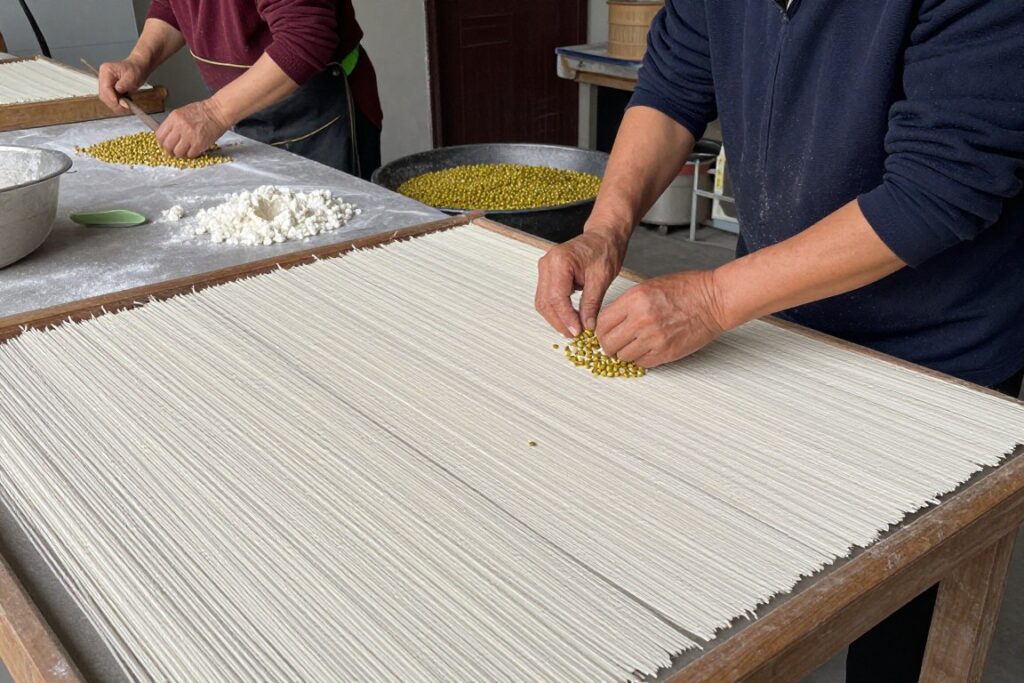
Traditional production methods in Longkou, China
The production begins with selecting premium mung beans, which are soaked, ground, and filtered to extract pure starch. This starch is then carefully processed into a gel-like substance before being extruded into thin strands. The noodles are dried in the sun or using controlled temperature rooms, a process that can take several days to achieve the perfect texture.
What sets Longkou Vermicelli apart is the meticulous attention to detail during production. The water quality, temperature control, and drying conditions all contribute to creating noodles that maintain their integrity during cooking without becoming mushy or breaking apart.
Experience Authentic Longkou Vermicelli
Try premium quality mung bean vermicelli from Longkou for your next Asian-inspired dish. Authentic texture and taste guaranteed.
Distinctive Characteristics of Mung Bean Vermicelli
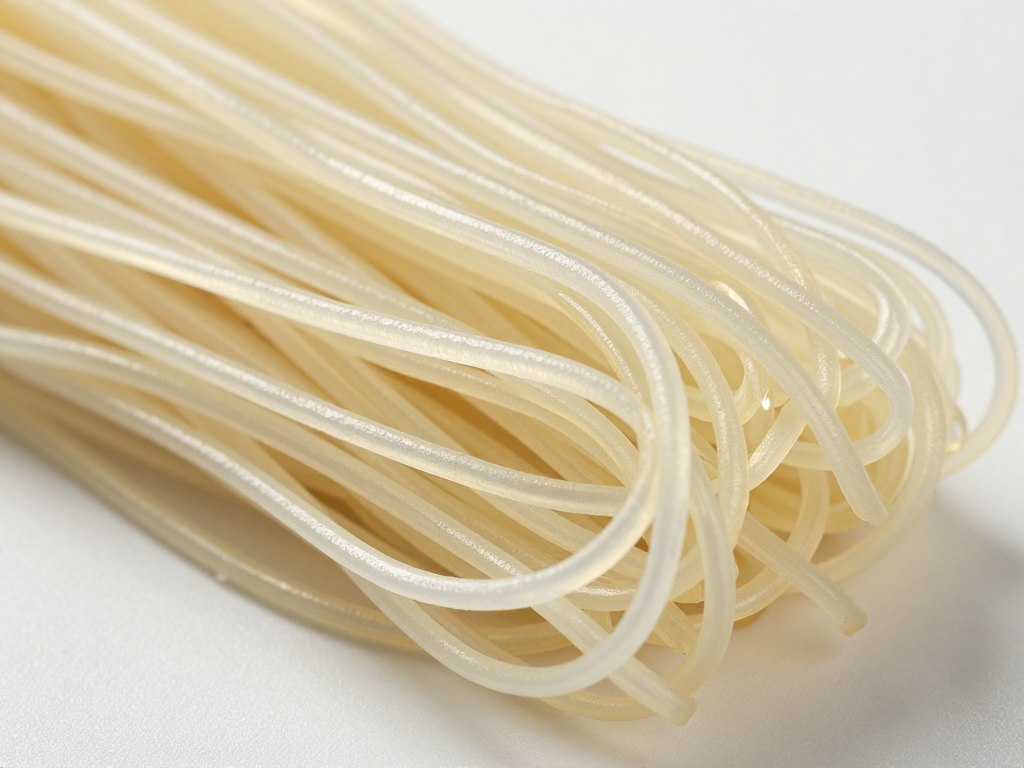
The distinctive translucent appearance of cooked mung bean vermicelli
Mung bean vermicelli possesses several distinctive characteristics that make it a unique and versatile ingredient in Asian cooking. Understanding these properties helps you make the most of this special noodle variety.
Physical Properties
- Translucent appearance when cooked, earning the name “glass noodles”
- Smooth, slippery texture that’s pleasant to eat
- Remarkable resilience – resistant to breaking or becoming mushy
- Neutral flavor that readily absorbs surrounding sauces and seasonings
- Lightweight yet satisfying mouthfeel
Quality Indicators
- Premium Longkou Vermicelli has a clean, white appearance when dry
- High-quality strands maintain their integrity after cooking
- Authentic versions become completely transparent when properly cooked
- Superior varieties have consistent thickness throughout
- Quality vermicelli has minimal starch residue after cooking
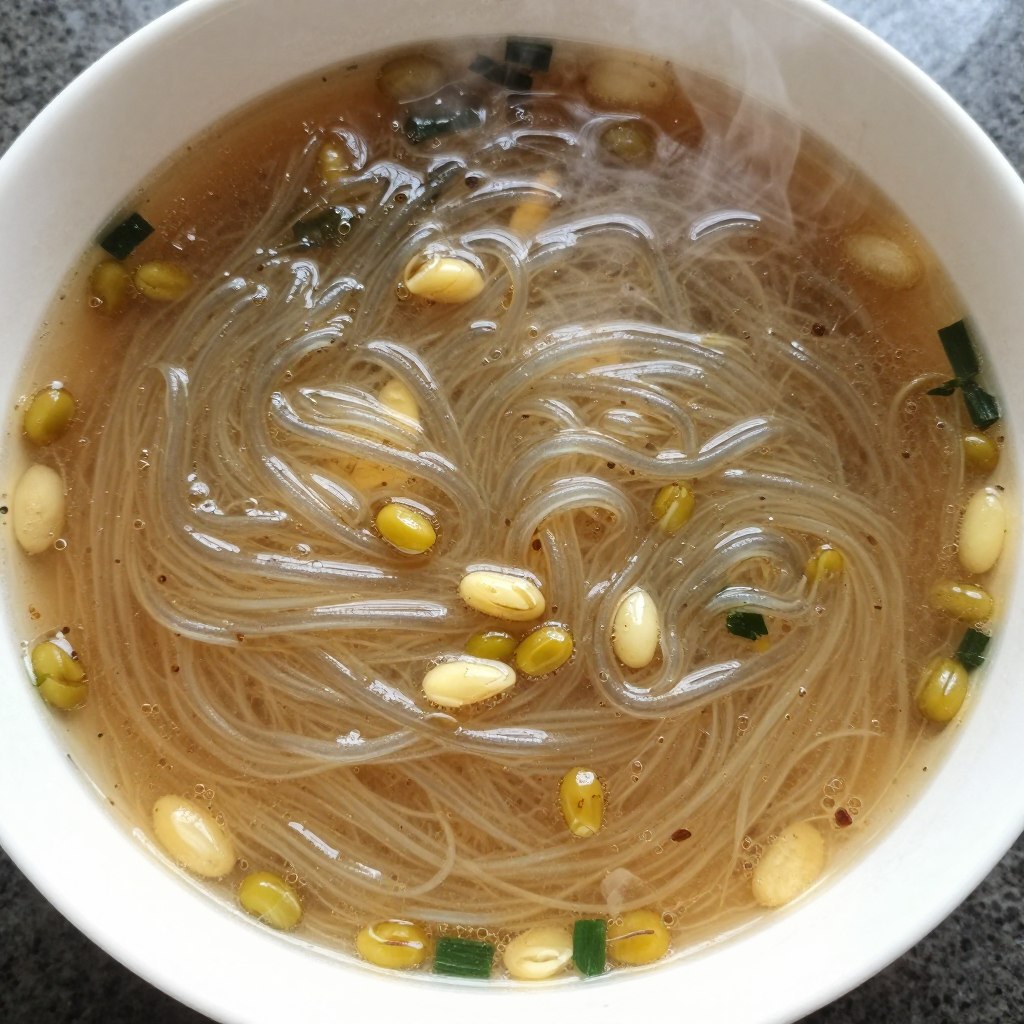
Mung bean vermicelli absorbs the flavors of broths and sauces
The unique molecular structure of mung bean starch gives these noodles their special properties. Unlike wheat noodles, they don’t contain gluten, resulting in a different cooking behavior and texture. This structure allows them to maintain their integrity even after prolonged cooking in soups or hot pots.
Culinary Uses Across Asian Cuisines
Mung bean vermicelli is remarkably versatile, featuring prominently in numerous Asian cuisines. Its neutral flavor and unique texture make it an ideal canvas for a wide variety of dishes.
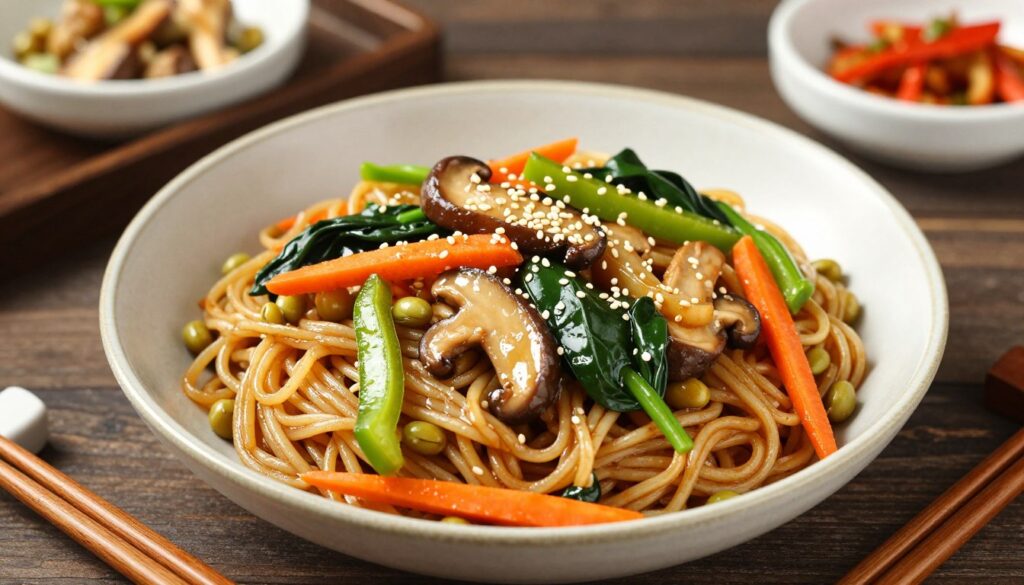
Korean Japchae – a popular stir-fried dish featuring mung bean vermicelli
Chinese Cuisine
- Stir-fried with vegetables and protein
- Added to hot pots for texture
- Used in cold salads, especially in summer
- Featured in traditional soups
- Stuffed in spring rolls and dumplings
Korean Cuisine
- Japchae – festive stir-fried noodles
- Tang-myeon – in hot soups
- Used in traditional bibimbap
- Added to various banchan (side dishes)
- Featured in special occasion meals
Southeast Asian Cuisine
- Vietnamese spring rolls (fresh and fried)
- Thai yum woon sen (spicy noodle salad)
- Filipino pancit (noodle dishes)
- Malaysian and Singaporean soups
- Indonesian vegetable dishes
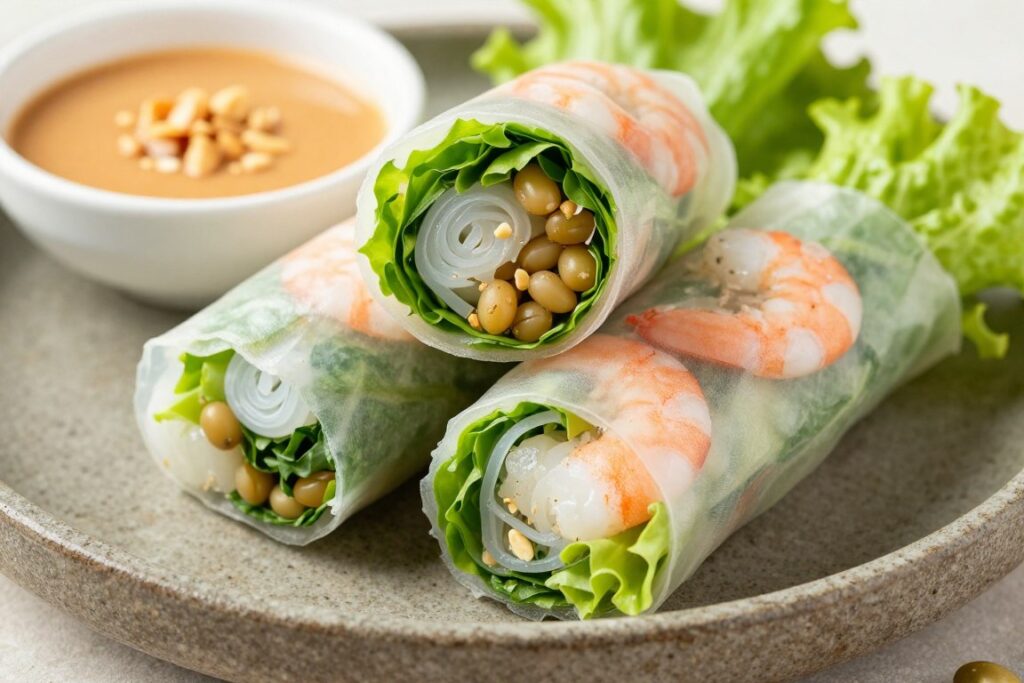
Vietnamese spring rolls featuring mung bean vermicelli as a key ingredient
The versatility of mung bean vermicelli extends beyond traditional Asian dishes. Creative chefs worldwide are incorporating these noodles into fusion cuisine, salads, and even desserts. Their ability to absorb flavors while maintaining texture makes them an excellent choice for both hot and cold preparations.
Try This Classic Japchae Recipe
Create an authentic Korean stir-fried noodle dish with premium Longkou Vermicelli and fresh ingredients.
Nutritional Profile and Health Benefits
Mung bean vermicelli offers several nutritional advantages that make it a valuable addition to a balanced diet. Understanding its nutritional profile helps you make informed choices about incorporating it into your meals.

A nutritious salad featuring mung bean vermicelli as a gluten-free base
| Nutrient | Amount (per 100g dry) | Health Benefit |
| Calories | 351 kcal | Moderate energy source |
| Carbohydrates | 87g | Provides sustained energy |
| Protein | 0.2g | Low protein content |
| Fat | 0.1g | Very low fat content |
| Fiber | 1.4g | Contributes to digestive health |
| Sodium | 9mg | Naturally low in sodium |
Health Benefits
- Gluten-free alternative for those with celiac disease or gluten sensitivity
- Low in fat, making it suitable for low-fat diets
- Contains resistant starch that may support gut health
- Low glycemic index compared to some other noodle varieties
- Versatile base for incorporating nutrient-rich vegetables and proteins
Dietary Considerations
- Suitable for vegetarian and vegan diets
- Compatible with gluten-free eating plans
- Low in protein – pair with protein sources for balanced meals
- Primarily a carbohydrate source – portion control recommended
- Neutral flavor makes it ideal for special diets requiring flavor flexibility
While mung bean vermicelli is primarily a carbohydrate source, its versatility allows it to be incorporated into nutritionally balanced meals. By pairing it with vegetables, lean proteins, and healthy fats, you can create satisfying dishes that align with various dietary preferences and requirements.
Preparation and Cooking Techniques
Proper preparation is key to achieving the perfect texture with mung bean vermicelli. Unlike wheat-based pasta, these noodles require specific techniques to bring out their best qualities.
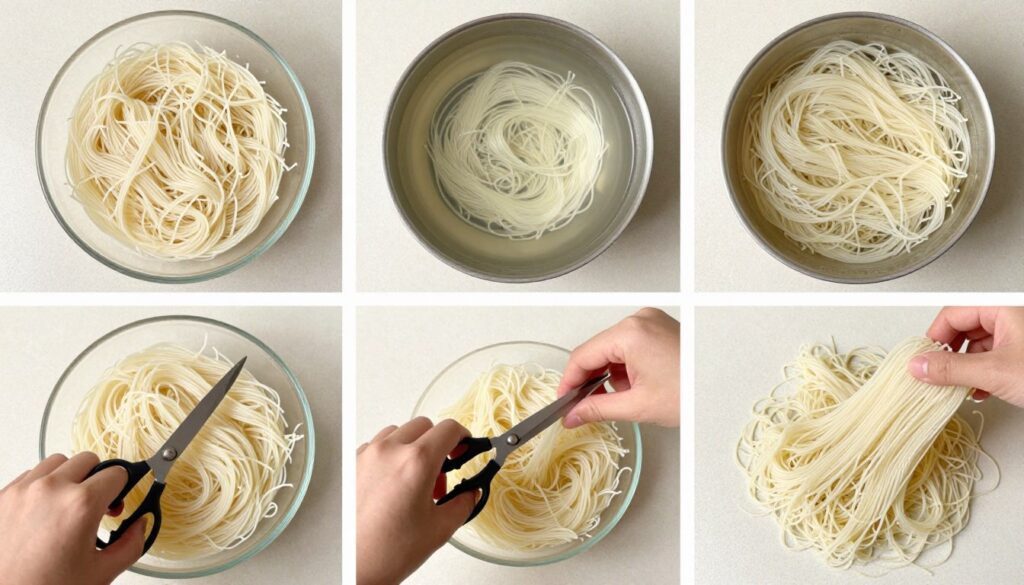
Step-by-step preparation of mung bean vermicelli
- Soak in hot water (not boiling) for 5-10 minutes until soft
- Drain thoroughly in a colander
- Rinse with cold water to stop cooking and remove excess starch
- Cut with scissors to desired length for easier eating
- Use immediately or toss with a small amount of oil to prevent sticking
Basic Preparation Steps
- Don’t boil directly – this can make them mushy
- Test frequently while soaking – they can quickly go from undercooked to overcooked
- For stir-fries, slightly undercook as they’ll continue cooking in the wok
- For soups, add at the end of cooking to maintain texture
- For cold dishes, rinse thoroughly with ice water after soaking
Pro Tips for Perfect Texture
- Boiling for too long, causing mushiness
- Not rinsing after soaking, leading to starchy texture
- Cutting before soaking, which can result in uneven cooking
- Overcrowding when soaking, causing uneven hydration
- Using in dishes with very acidic ingredients that may break down the noodles
Common Mistakes to Avoid

Stir-frying is a popular cooking method for mung bean vermicelli
Cooking Methods for Different Dishes
For Soups and Hot Pots
Add pre-soaked vermicelli directly to hot broth just before serving. They’ll continue to absorb flavor without overcooking. For hot pots, place small portions into the simmering broth and eat when they become transparent.
For Stir-Fries
After soaking and draining, add to your stir-fry near the end of cooking. Toss quickly with other ingredients and sauce, allowing the noodles to absorb flavors without becoming too soft.
For Cold Salads
Soak until just tender, then rinse thoroughly with cold water. Toss with a light dressing and refrigerate briefly before combining with other ingredients to allow flavors to meld.
For Spring Rolls and Fillings
Soak until soft, drain well, and cut into shorter lengths. Mix with other filling ingredients before wrapping. The vermicelli will continue to absorb moisture from surrounding ingredients.
Master Asian Cooking at Home
Get premium Longkou Vermicelli and essential Asian ingredients delivered to your door.
Purchasing and Storage Guidelines
Finding authentic Longkou Vermicelli and storing it properly ensures you’ll have this versatile ingredient ready whenever Asian cuisine inspiration strikes.
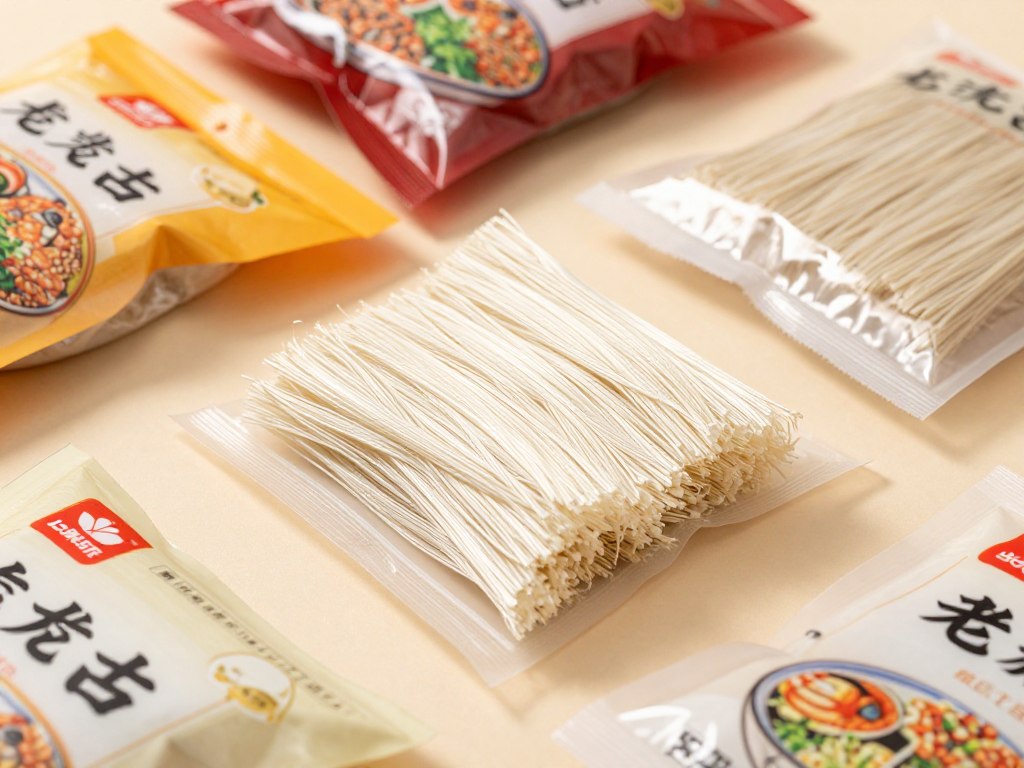
Authentic Longkou Vermicelli packaging often features traditional Chinese designs
What to Look for When Buying
Quality Indicators
- Look for “Longkou” on the packaging for authentic vermicelli
- Choose packages with clean, white, unbroken strands
- Avoid packages with excessive powder or broken pieces
- Check for mung bean as the primary ingredient (not potato starch)
- Premium brands may cost more but offer better texture and cooking performance
Where to Purchase
- Asian grocery stores typically carry the best selection
- International sections of well-stocked supermarkets
- Specialty food stores focusing on Asian ingredients
- Online retailers specializing in Asian foods
- Direct import shops may offer authentic regional varieties
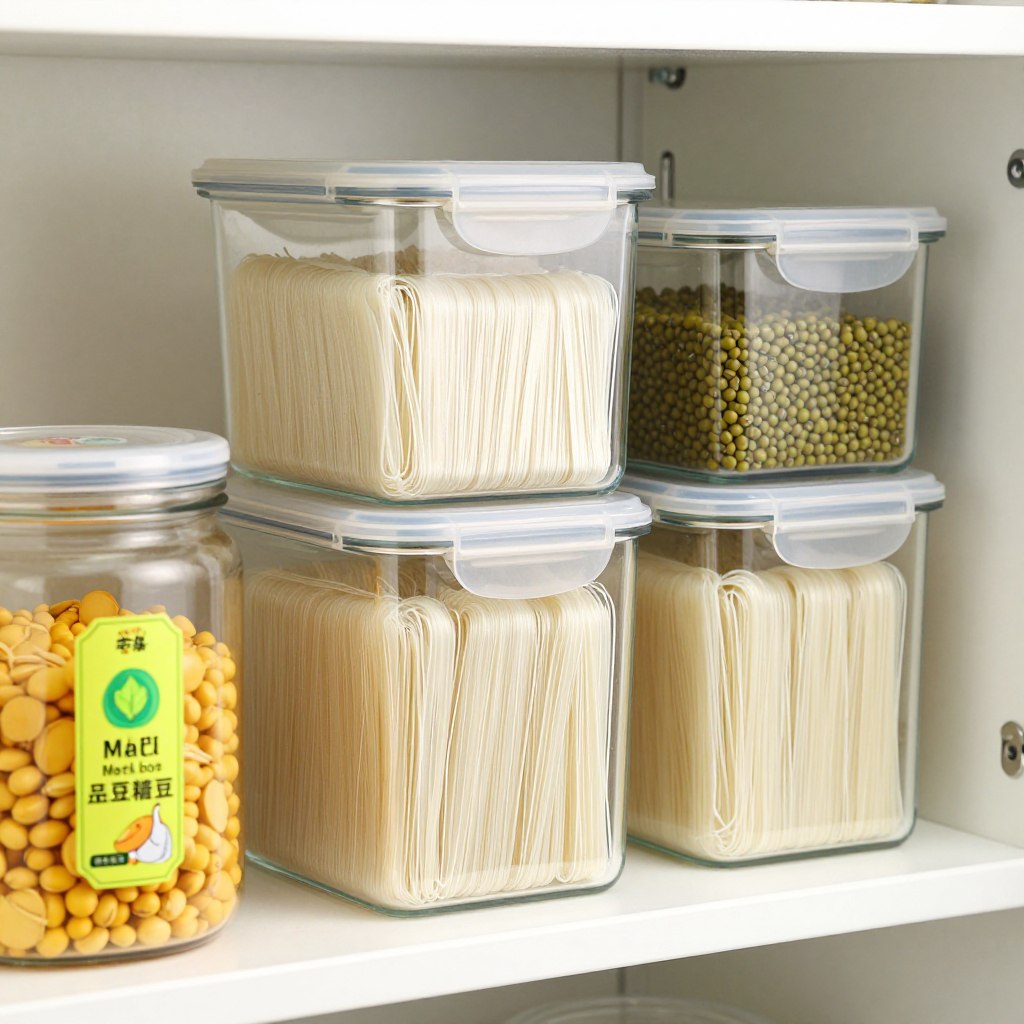
Proper storage in airtight containers extends shelf life
Storage Best Practices
Unopened Packages
Unopened packages of mung bean vermicelli can last for years when stored in a cool, dry place away from direct sunlight. The pantry or a kitchen cabinet is ideal. Check the manufacturer’s expiration date, though properly stored vermicelli remains usable well beyond this date.
Opened Packages
Once opened, transfer remaining vermicelli to an airtight container to protect from moisture and pests. Properly stored, opened vermicelli will maintain quality for at least 1-2 years. If you notice any off odors or signs of moisture, it’s best to discard.
Shopping Tip: When possible, purchase vermicelli in quantities you’ll use within a year for the freshest flavor and texture. Bulk purchases may be economical but ensure you can store them properly.
Find Authentic Longkou Vermicelli
Shop our selection of premium mung bean vermicelli imported directly from Longkou, China.
Why Mung Bean Vermicelli Deserves a Place in Your Kitchen
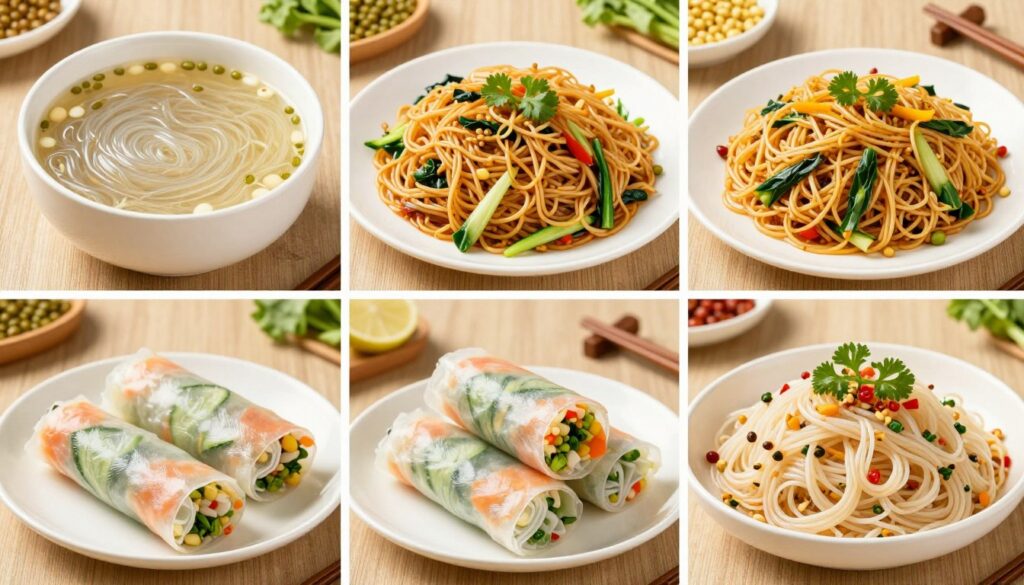
The remarkable versatility of mung bean vermicelli across various Asian dishes
Mung bean vermicelli, particularly the premium Longkou variety, is a remarkable ingredient that brings unique textures and versatility to countless dishes. Its ability to absorb flavors while maintaining structural integrity makes it a favorite among chefs and home cooks alike.
From the traditional production methods in Longkou, China, to its appearance on dinner tables worldwide, these translucent noodles connect us to centuries of culinary tradition. Their gluten-free nature and neutral flavor profile make them accessible to various dietary needs, while their distinctive texture adds interest to both simple and complex preparations.
Whether you’re exploring Asian cuisines for the first time or looking to expand your repertoire of authentic ingredients, mung bean vermicelli offers endless possibilities. From comforting soups and vibrant stir-fries to refreshing salads and delicate spring rolls, these versatile noodles adapt to your culinary imagination.
Try Longkou Vermicelli Today
Experience the authentic texture and versatility of premium mung bean vermicelli in your own kitchen.
Is mung bean vermicelli the same as rice vermicelli?
No, they are different products. Mung bean vermicelli (including Longkou Vermicelli) is made from mung bean starch and becomes completely transparent when cooked. Rice vermicelli is made from rice flour and remains somewhat opaque after cooking. They have different textures and cooking properties, though they may be used in some similar dishes.
Is Longkou Vermicelli gluten-free?
Yes, authentic mung bean vermicelli, including Longkou Vermicelli, is naturally gluten-free as it’s made from mung bean starch only. This makes it suitable for those with celiac disease or gluten sensitivity. However, always check packaging for any cross-contamination warnings if you have severe gluten allergies.
How can I tell if I have authentic Longkou Vermicelli?
Authentic Longkou Vermicelli will typically indicate its origin on the packaging, often featuring the words “Longkou” or “龙口” (Chinese characters). The noodles should be white, uniform in thickness, and relatively unbroken in the package. When cooked properly, they become completely transparent and maintain their integrity without becoming mushy.